
![newsR.jp[ニュースアール]](/img/logo_kana.svg)
![newsR.jp[ニュースアール]](/img/head_logo.svg "newsR.jp[ニュースアール]")
- ニュース一覧
- 3.11 Disaster Memorial Museum / 双葉町の伝承館(日進堂印刷所)- 2026.03.11(水) 09:00
3.11 Disaster Memorial Museum / 双葉町の伝承館
日進堂印刷所
2026.03.11(水) 09:00
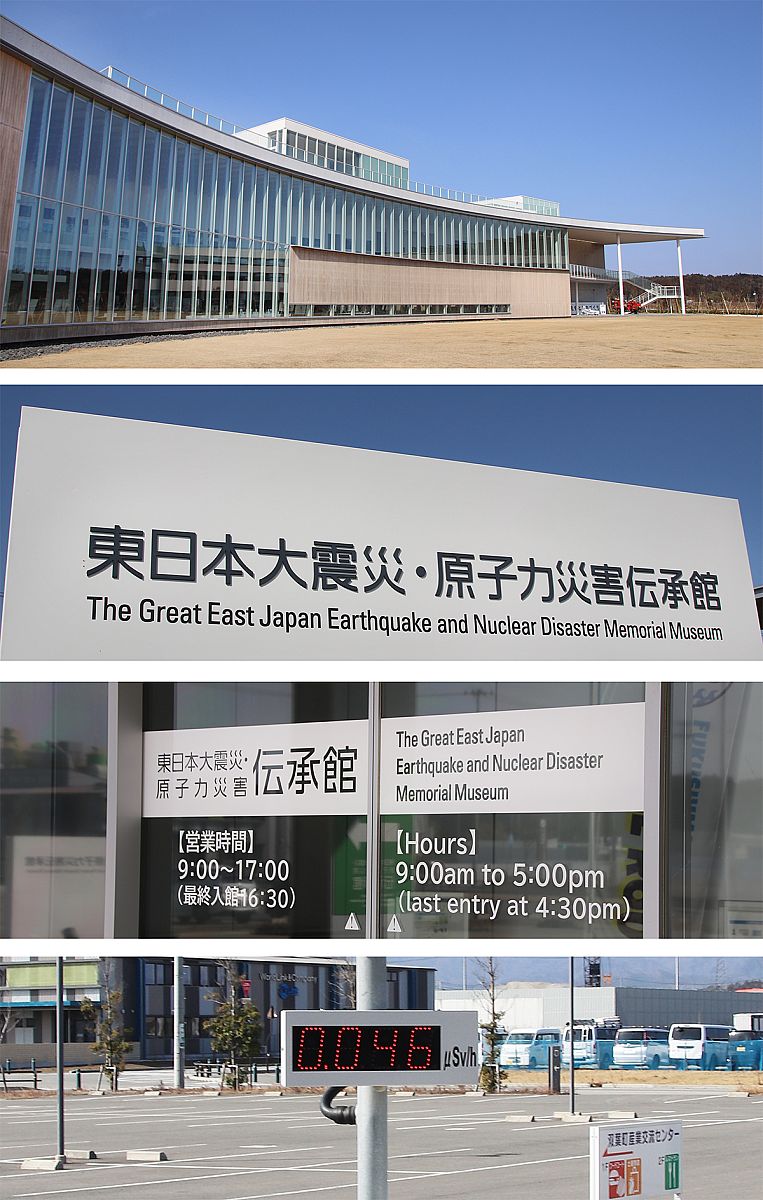
Fukushima Prefecture has 13 memorial facilities dedicated to preserving and conveying the experiences and lessons of the Great East Japan Earthquake to future generations. One of them is the Great East Japan Earthquake and Nuclear Disaster Memorial Museum in Futaba Town, which opened in September 2020. The Museum presents the disaster in Fukushima in its full scope. Its exhibitions look at life in the region before the earthquake, the immediate aftermath of the nuclear power plant accident, and the long process of recovery that has followed. Rather than focusing on collecting information from a single town or city, the facility approaches the disaster from the perspective of Fukushima Prefecture as a whole, while also considering its wider impact on the rest of Japan and the international community. In addition to the exhibitions, the Museum shares lessons on disaster preparedness and risk reduction through training programs and research activities, communicating these insights both within Japan and overseas.
福島県には、東日本大震災の経験と教訓を次世代に伝える震災伝承施設が13カ所あります。その一つが、双葉町に立地する東日本大震災・原子力災害伝承館で、2020年9月に開館しました。伝承館は、福島の震災全体を包括的に扱っている施設です。被災前の暮らしから原子力発電所事故直後の状況、そして復興の様子を展示しています。資料収集の対象地域も特定の市町村に限定せず、福島県全域、それから県外と海外も視野に入れています。展示のほか、研修や調査を通じて防災と減災の教訓を国内外に発信しています。
As someone who has chosen to live in Fukushima Prefecture, I have developed a strong interest in the region’s history, the lives of its residents, and the realities of the recovery process. This naturally led me to take an interest in the work of the Great East Japan Earthquake and Nuclear Disaster Memorial Museum. Since it might also be a place worth visiting for those traveling to Fukushima, I decided to visit the facility myself and introduce its activities. During my visit, I first spoke with Mr. Seto, a curator at the Museum.
私は福島県に移住した者として、この土地の歴史や地元の人の暮らし方、それから復興の現実に関心があり、伝承館の活動にも興味を持ちました。福島県を観光で訪れる方にも興味のある施設だと思い、その取組をみなさんに紹介するため、先日伝承館を見学しました。まずは、学芸員の瀬戸真之さんに話を伺いました。
Interview / インタビュー
— Why was the Great East Japan Earthquake and Nuclear Disaster Memorial Museum built in this location?
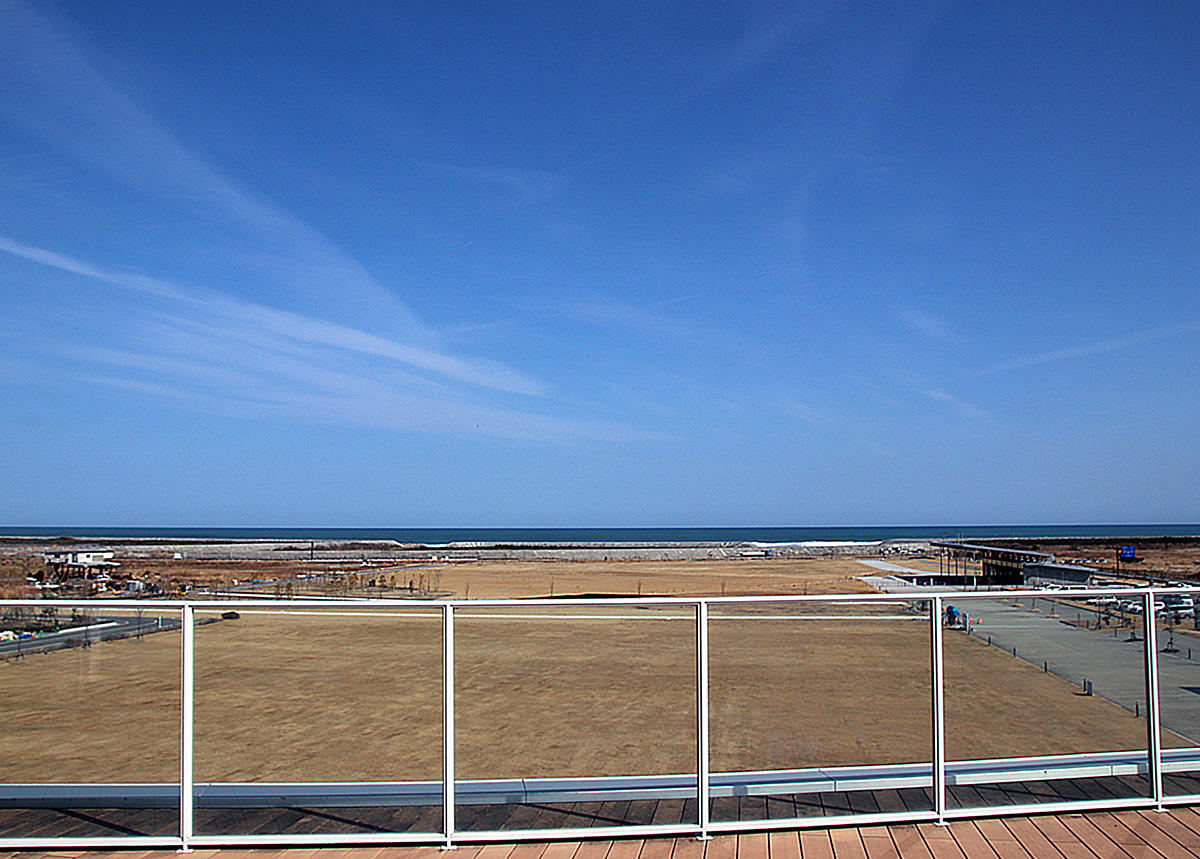
The Museum stands in Futaba Town, next to the place where the accident at the Fukushima Daiichi Nuclear Power Plant operated by Tokyo Electric Power Company occurred, and it is one of the areas affected by the disaster. The idea was for visitors to encounter the actual place itself, rather than learn about it only from a distance. The surrounding area opens onto the townscape of Futaba Town, where revitalization is still under way, and visitors can also see the nearby ocean. The intention was for visitors to observe firsthand what the front line of recovery looks like today.
― 東日本大震災・原子力災害伝承館は、どうしてこの場所に建てられましたか?
伝承館は、事故を起こした東京電力福島第一原子力発電所があり、被災地の一つである双葉町に位置しています。来場者には、離れた場所ではなく実際の現場を見てほしいというねらいがありました。この周囲には復興が進む双葉町の街並みが広がり、海も見えます。復興の最前線の様子を、現地で体感していただきたいと考えたそうです。
— One of the Museum’s guiding principles is “Passing on to future generations and sharing with the world”. How is this put into practice?
The accident at the Fukushima Daiichi Nuclear Power Plant is regarded as the largest nuclear disaster since the Chernobyl disaster. Unlike earthquakes or typhoons, nuclear disasters are extremely rare, and only a small number of countries have experienced them. For this reason, the experience of Fukushima is considered something that should be shared not only within Japan, but also with the broader international community. There are also very few precedents for recovery efforts on this scale in areas affected by radioactive contamination. The challenges involved, and the ways they have been addressed, may serve as a useful reference for other countries facing similar situations. For this reason, the Museum regards it as part of its mission to communicate these experiences and lessons beyond Japan. In practice, this includes preparing multilingual exhibition materials and organizing exhibitions overseas. The aim is for the Museum to become recognized internationally as a place where people can learn about nuclear disasters, while remaining as open and accessible as possible to visitors from around the world.
― 伝承館の基本理念の一つは「未来への継承・世界との共有」ですが、どのように実施されていますか?
福島第一原子力発電所事故は、1986年のチョルノービリ(旧:チェルノブイリ)原発事故に次ぐ大規模な原子力災害とされています。地震や台風と違い、原子力災害を経験した国は多くありません。そのため、福島の経験は日本だけでなく、世界と共有すべきものだと考えています。この規模で汚染地域の再生を進めている例は少なく、そこで生じる課題や対応は国際的にも参考になると思います。伝承館には、それを世界に発信する責任があると認識しています。具体的には、展示の多言語対応及び海外での展示などに取り組んでいます。原子力災害を学べる施設として、世界に認識されることを目指しています。できるだけ多くの人に開かれた伝承館にしたいと考えています。
— The Museum also introduces the culture of the Sōsō area. Could you tell me about its main characteristics?
The Sōsō area lies in the northern part of the Hamadōri region. One of its defining features is the close proximity of the mountains and the sea. Agriculture and livestock farming have traditionally developed in the mountainous areas, while fishing and coastal culture have flourished along the coast. For a long time, these two ways of life have existed side by side. There are also festivals in which portable shrines are carried into the sea, reflecting the region’s strong connection with the ocean. The area also has a long history of migration: after famines in the Edo period, farmers moved here, and after World War II, groups of pioneering settlers arrived in Sōsō. Following the Great East Japan Earthquake, new residents have once again begun to move to the region, so it could be said that the area is now experiencing a third period of migration. As a result, the culture of Sōsō has developed through a continuing process of cultural mixing and exchange. One of its best-known traditions is Sōma Nomaoi, a samurai horse-riding festival. It originated in the mounted warrior culture of samurai groups who migrated from the Kantō region during the medieval period, and continues to be practiced today, particularly in Minamisōma City.
― 伝承館は相双地方の文化を伝える場でもありますが、その文化の特徴を教えてください。
相双地方は浜通り北部にあり、海と山が近いことが大きな特徴です。山では農業や畜産、海では漁業や海浜文化が営まれ、二つの暮らしが隣り合っています。例えば、おみこしを担いで海に入っていくという祭りがあるように、海とのつながりが強いです。また、この地域には移住の歴史があり、江戸時代の飢饉後に農民が移り住み、戦後には開拓移民が入りました。震災後も新たな移住者が加わり、今は3度目の移住期とも言える状況です。相双の文化は、常に混ざり合いながら形成されてきました。そして、代表的な行事は相馬野馬追です。中世に関東から移住した武士団の騎馬文化に由来し、現在も南相馬市を中心に受け継がれています。
— How are the materials for the exhibitions collected? Do you mainly gather them from the Sōsō area?
The collection of materials began in 2017, led by Fukushima University. Since its opening in 2020, the Museum has been responsible for it. Research is conducted primarily at public institutions such as schools, municipal offices, and off-site centers. With permission, photographs and video recordings are taken, after which materials may be collected. Some items are also provided by individuals, and in certain cases records are created when residents temporarily return to their homes. Collecting testimonies is another extremely important part of the work. In addition to documenting the experiences of affected residents, interviews are conducted with people involved in the emergency response, including local fire brigades, the Japan Self-Defense Forces, Japan Railways staff, and the police. These testimonies are recorded on both video and audio. The scope of the collection is not limited to the Hamadōri region, it also extends to Nakadōri and Aizu regions, as well as other parts of Japan and occasionally overseas. The Museum also updates its exhibitions and statistical data each year.
― 展示される資料は、どのように集めていますか?相双地方を中心に収集していますか?
資料収集は2017年に福島大学が開始し、2020年の開館以降は伝承館が引き継いでいます。学校、役場、オフサイトセンターなどの公的機関を中心に調査を行い、許可を得て写真や映像を記録し、資料を収集しています。個人からの提供もあり、一時帰宅の際に記録保存を行うこともあります。証言収集も非常に重要です。被災者に加え、消防団、自衛隊、JR、警察などの関係者からも話を伺い、録画と録音を行っています。対象は浜通りだけでなく、中通りや会津、県外にも広がり、海外から資料を収集することもあります。また、展示や統計データを毎年更新しています。
— I’ve heard that the Museum also presents exhibitions on life during evacuation. Could you tell me about this aspect of the displays?
Zone 4 of the permanent exhibition focuses on life during evacuation. It presents materials about living in temporary housing, the strong desire many residents had to return home as soon as possible, and the pain of being unable to go back to their hometowns. It also conveys the sense of relief and joy people felt when they were finally able to “return their land”. Evacuation life is also addressed in the current special exhibition “Namie Town and Post-Disaster Community Rebuilding.” It conveys both the hardship of living away from one’s home, and the sense of relief many people felt when they were able to return after the evacuation order was lifted.
― 避難生活に関する展示もあると聞いていますが、どのような内容ですか?
常設展示の第4ゾーンでは、避難生活に焦点を当てています。仮設住宅での暮らしや、「早く家に帰りたい」という思い、故郷に戻れない苦しみを伝える資料を紹介しています。「自分の土地や役所を取り戻した」という時の喜びも重要なテーマです。現在開催中の「浪江町と復興まちづくり」企画展でも避難生活に触れています。自分の土地を離れて暮らすつらさや、避難指示解除後に町へ戻り、「居場所を取り戻した」と感じた喜びが伝わる内容です。
— How many storytellers are active at the museum, and what kind of people are they?
There are 42 registered storytellers, including four members of staff at the Museum. Most come from seven municipalities within Fukushima Prefecture, but also from Tōkyō. Many are also active in local storytelling groups in places such as Iwaki City, Tomioka Town, and Namie Town, in addition to their work at the Museum. Experienced storytellers sometimes attend the sessions of those who have recently joined, providing opportunities to observe and exchange ideas. Through these interactions, the storytellers gradually develop new connections. Some visitors also decide to become storytellers themselves after attending a session. Storytelling sessions are held four times a day with two storytellers. At present, the talks are conducted in Japanese only, but the Museum is considering introduction of a text-based AI automatic translation into foreign languages.
― 伝承館には、語り部が何人いますか?どのような方ですか?
登録されている語り部は、職員4名を含め42名です。県内7市町の出身者に加え、東京都出身の方もいます。伝承館だけでなく、いわき市、富岡町、浪江町など各地の語り部団体に所属しながら活動している方が多いです。新しく加わった語り部の講話を先輩が聞きに来ることもあり、顔を合わせる機会も多くあります。このような積み重ねが語り部同士のつながりを生んでいます。また、講話を聞いたことをきっかけに、「自分も語り部として活動したい」と参加する方もいます。講話は1日4回、2名体制で行っています。現在は日本語のみで実施していますが、文字ベースで外国語へのAI自動翻訳を検討しています。
— What about foreign and Japanese visitors? What kinds of topics tend to interest them?
Among international visitors, there are many people from Taiwan, Hong Kong, Europe, and North America. The museum prepares leaflets in English, Chinese (both simplified and traditional), and Korean. One of the most frequent questions visitors ask is where they can see the Fukushima Daiichi Nuclear Power Plant. Many are interested in seeing it with their own eyes and often come here after researching about the area in advance.
Visitors from both within and outside Fukushima Prefecture often come because they want to understand what happened at the time of the disaster, or to see for themselves what the situation is like today. In comments about the exhibitions, many say they learned things they had not fully understood from news reports, or that the displays helped them better grasp what people in Fukushima were experiencing at the time. Some visitors also come specifically to hear first-hand experiences from storytellers.
― 外国人の来場者は多いですか?外国人と日本人は、どのテーマに関心を持っていますか?
外国人来館者は、台湾、香港、欧米圏からの方が比較的多い傾向です。リーフレットは英語、中国語(簡体字・繁体字)、韓国語で用意しています。よくある質問は、「原子力発電所はどこから見えますか」といったものです。実際に見たいという関心が強く、多くの方が事前に調べた上で周辺も見学しています。
県内外の来場者は、震災当時の状況を知りたいという方や、「今はどうなっているのか自分の目で確かめたい」と訪れる方もいます。展示については、「報道では分からなかったことを初めて知った」、「当時の福島の状況を理解できた」といった声が寄せられています。また、「語り部の話を聞きたい」という目的で来館する方もいます。
— I’ve heard about training programs offered by the Museum, what do they involve?
There are four types of training programs. The first is a storyteller talk for group visitors. In addition to the four scheduled talks held every day, sessions can also be arranged at times convenient for visiting groups. The second is a fieldwork program for groups arriving by bus: participants visit locations in Futaba Town and along the nearby coast, where they can learn about the impact of the nuclear accident and the realities of evacuation. The third is a lecture by a specialist, these are conducted by the Museum’s director and senior researchers and usually last around 90 minutes.
Finally, there is a program that combines a storyteller talk with fieldwork. After the course, participants join a workshop-style session with an instructor to reflect on what they have learned. This helps them organize the information from the exhibitions and site visits and deepen their understanding of the subject.
― 研修プログラムがあるそうですが、どのような内容ですか?
研修は4種類あります。まず、団体向けの語り部講話です。1日4回の定時講話とは別に、団体の希望に合わせて時間を設定します。次に、バスで来館する団体向けのフィールドワークです。双葉町内や沿岸部を巡り、原子力発電所事故による被災や避難の実態が分かる場所を見学します。3つ目は専門講座です。館長と上級研究員が担当し、約90分の講義を行います。4つ目に、語り部講話とフィールドワークを組み合わせたプログラムとして受講後に講師と振り返りを行うワークショップがあり、展示見学や現地視察で学んだ内容を整理し、理解を深めることができます。
— Are there any places you would recommend visiting after the Museum?
First is the neighboring Futaba Business Incubation and Community Center. By taking the elevator to the rooftop, you can look out toward the Fukushima Daiichi Nuclear Power Plant and see the vast area used for interim storage facilities. On the first floor there is also a food court with a restaurant serving the local specialty Namie yakisoba. Another meaningful place to see is the Remains of Ukedo Elementary School in Namie Town, which is an important site that conveys the scale of the tsunami’s impact. At the roadside station “Namie”, visitors can purchase sake from Suzuki Sake Brewery, which was rebuilt after the disaster. Overseas visitors often show interest not only in the drink itself but also in the design of the labels. Traditional Ōbori Sōma ware is another cultural highlight of the region. This pottery tradition dates back to the Edo period (17th–19th centuries) and produces items such as plates and teacups.
― 見学後のおすすめはありますか?
まず、隣の「双葉町産業交流センター」です。エレベーターで屋上に上がると、東京電力福島第一原子力発電所の方向に広がる中間貯蔵施設を眺めることができます。1階のフードコートには、名物のなみえ焼そばの店もあります。見学後にご当地グルメを味わうのも一案です。また、津波被害を伝える浪江町の震災遺構請戸小学校も訪問先として有意義です。「道の駅なみえ」では、震災後に再建された鈴木酒の日本酒を購入できます。海外の来訪者は、味はもちろんのこと、ラベルデザインにも関心を示します。さらに、伝統工芸の大堀相馬焼も地域の魅力です。江戸時代から続く焼き物で、皿や湯飲みなどを制作しています。
Exhibition / 見学の感想
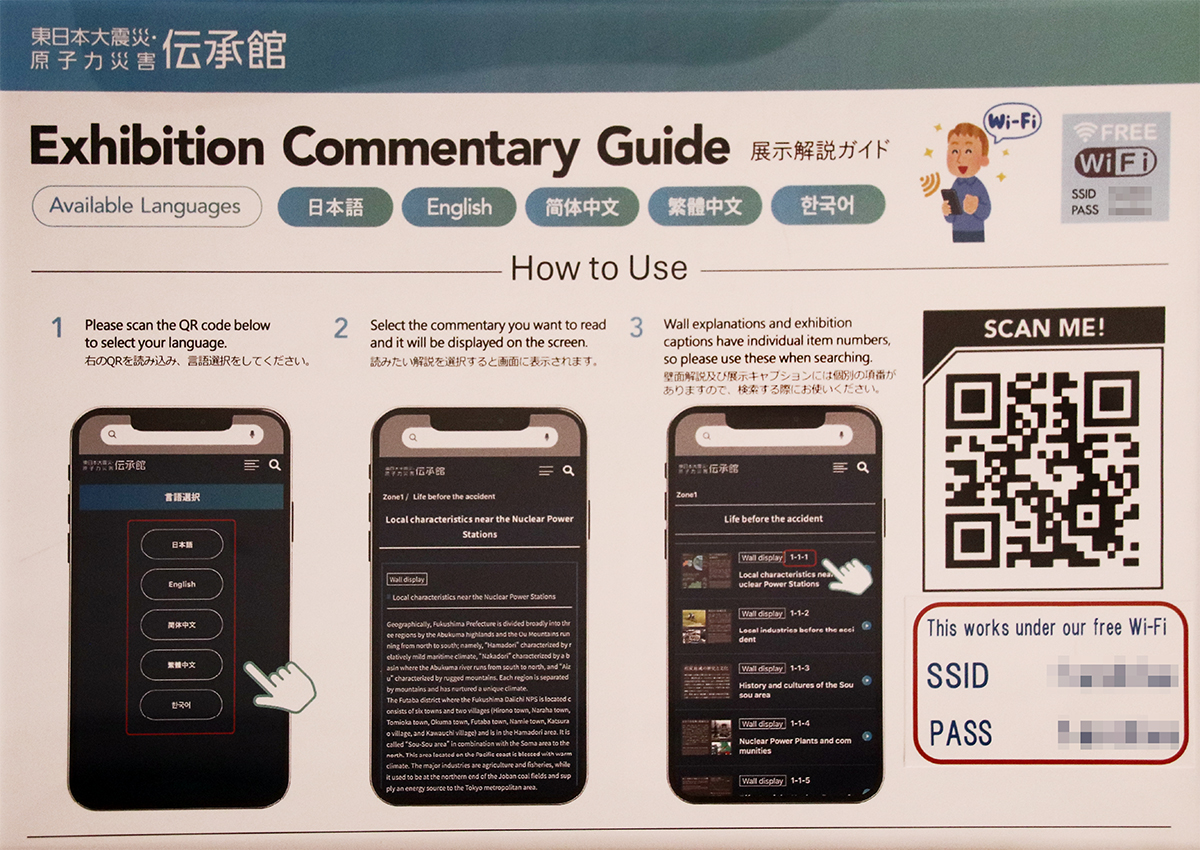
During the exhibition, a commentary guide is available in Japanese, English, Chinese, and Korean. It can be used simply by scanning a QR code at the entrance. The explanatory panels for the main timeline and key events are both in Japanese and English, which made the visit easier, since I could understand unfamiliar Japanese words by reading the English translations. Some exhibits have English explanations, and some videos have English subtitles or audio.
見学時には、日本語・英語・中国語・韓国語対応のコメンタリーガイドを利用できます。入口でQRコードを読み取るだけで簡単です。主要な年表や出来事のパネルにも日本語と英語の解説があり、わからない日本語の単語を英訳文で読めたので、見学しやすかったです。一部の展示物には英語表記、映像には英語の字幕や音声が付いているものがあります。
The permanent exhibition begins at the theater with a video introduction of the region’s history, the construction of the Fukushima Daiichi Nuclear Power Plant, and the events of the day of the accident and their aftermath. The displays start by depicting everyday life and introducing local industries before the disaster, as well as the role the nuclear power plant played in the region. They then move on to the severe damage caused by the tsunami and the nuclear disaster, followed by the immediate response and the actions of the various organizations involved. Throughout the museum, many original materials are on display: hospital records, protective suits, personal belongings and diaries, children’s essays, photographs taken during evacuation, and video testimonies from residents — everything made a powerful impression. Exhibits such as a blackboard on which residents, who later returned home, left messages of gratitude to their community help convey the importance of preserving these memories. The museum also displays photographs taken in different locations immediately after the disaster. These left a particularly strong impression on me. I felt that materials like these cannot be fully understood through information found online alone. Being able to see them in person was a very valuable experience.
常設展示はシアターの映像から始まり、地域の歴史や原子力発電所の建設、事故当日とその影響について紹介しています。展示は、震災前の地域の暮らしや産業、原子力発電所が地域にもたらした影響から始まり、東日本大震災の津波と原子力災害の深刻な被害、発災直後の対応や各機関の動きへと続きます。館内には、病院の記録、防護服、個人の所持品や日記、子どもたちの作文、避難時の写真、住民の証言映像など、数多くの実物資料が展示されていて、圧倒されます。避難から帰還した方々が地域へ感謝の言葉を残した黒板などの展示は、記憶を継承することの大切さを伝えています。館内には発災直後に撮影された各地の写真も展示されており、個人的に強い印象を受けました。これらの資料は、例えばインターネット上の情報だけでは十分に伝わらないものだと感じました。実際に自分の目で見ることができたことは、とても貴重な機会でした。
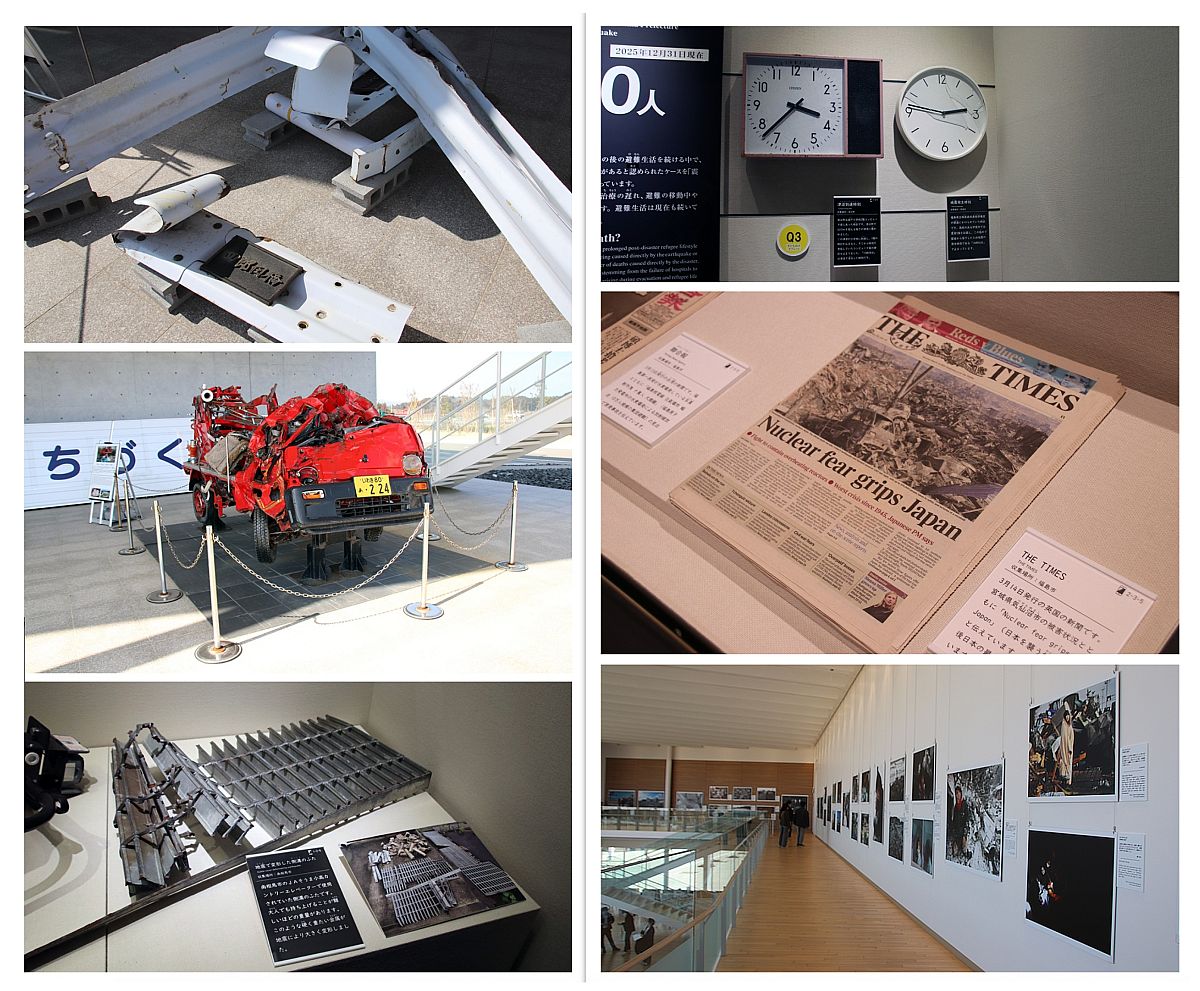
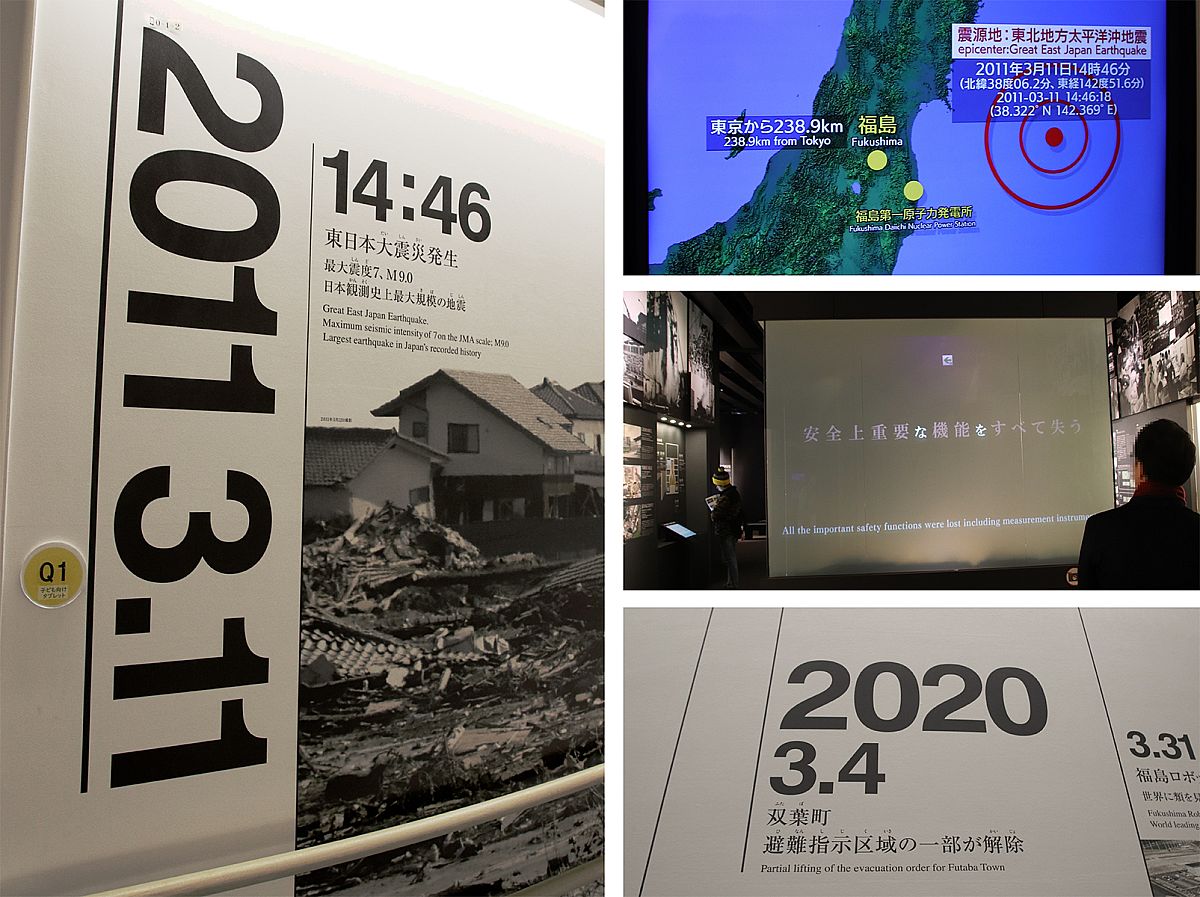
At the Great East Japan Earthquake and Nuclear Disaster Memorial Museum, visitors can gain a structured understanding of the complexity of the disaster, its long-term impact, and the ongoing process of recovery. The subject itself is tragic and learning about such a complex and multifaceted disaster takes time. Even so, I felt it was a place well worth visiting for those who wish to deepen their understanding based on factual information, or who are interested in the history and present-day reality of this disaster.
この施設では、災害の複雑さと長期的な影響、そして復興への歩みまでを体系的に学ぶことができます。胸の痛むテーマでもあり、複合災害を多角的に学ぶには時間がかかりますが、事実に基づいて理解を深めたい方や、この複合災害の歴史と現実に関心のある方には訪問をおすすめしたいと思いました。
Currently, the special exhibition “Namie Town and Revitalization-oriented Community Reconstruction” is being held. It introduces Namie Town before the disaster, the damage it suffered, and the town’s recovery process and reconstruction plans since the earthquake.
現在は企画展「浪江町と復興まちづくり」が開催されており、震災前の浪江町から被災状況、そして震災後の町の歩みや復興計画について知ることができます。
Visitor Information / 来館案内
【Official website / 公式サイト】
https://www.fipo.or.jp/lore
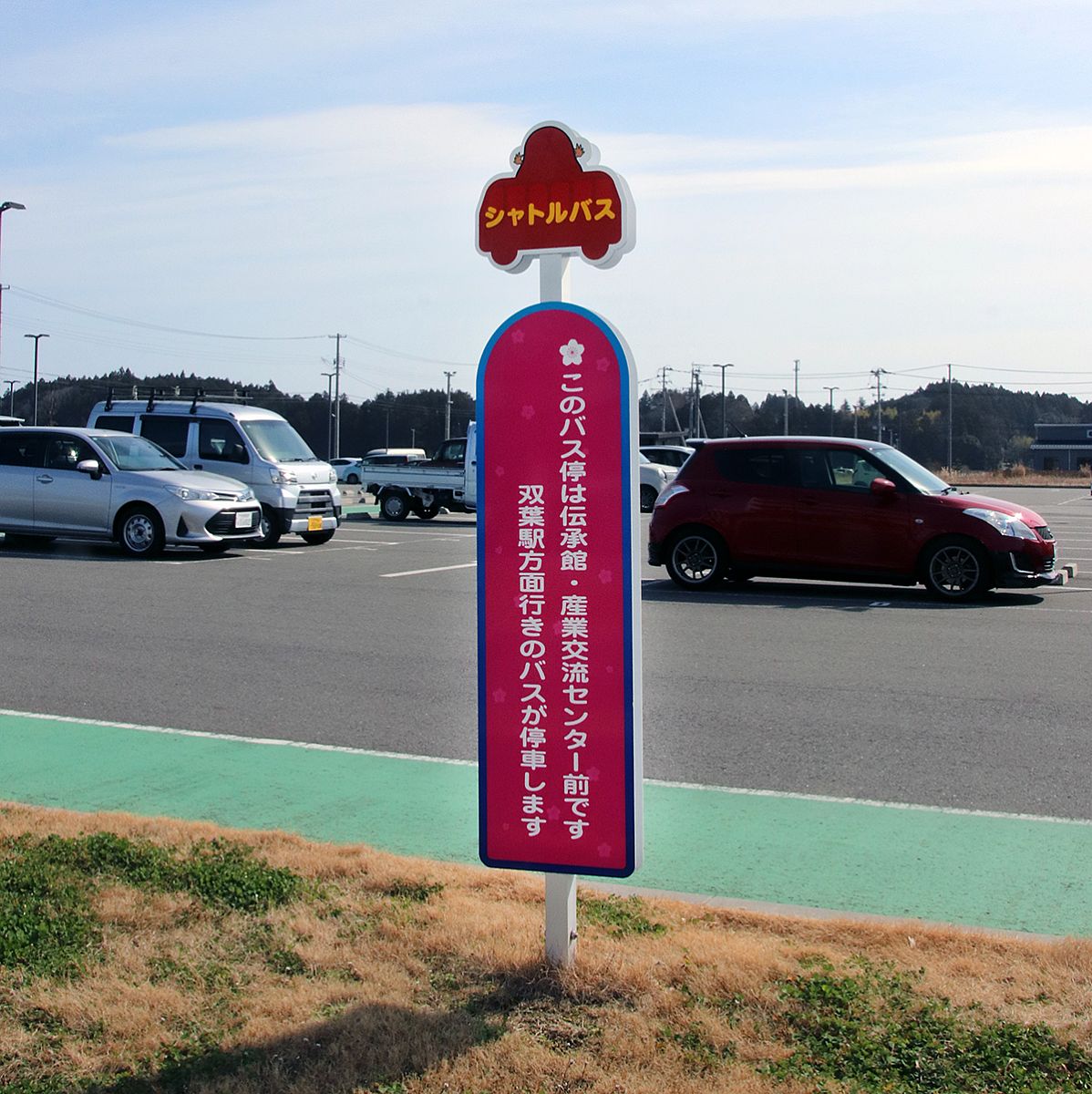
【Futaba Town Shuttle Bus / 双葉町シャトルバス】
https://touhoku-access.com/route_futaba.php?_fsi=kp1RvZl4
JR Futaba Station ↔️ Great East Japan Earthquake and Nuclear Disaster Memorial Museum and Futaba Business Incubation and Community Center (the bus stop is located on Prefectural Road 254 in front of the Center)
双葉駅 ↔️ 東日本大震災・原子力災害伝承館・双葉町産業交流センター(バス停は、交流センター前の県道254号沿いにあります)
お問い合わせは日進堂グループ各社まで
株式会社 日進堂印刷所 電話 024-594-2211(代)
トキワ印刷 株式会社 電話 0248-75-2145
株式会社 進和クリエイティブセンター 電話 024-594-2145
株式会社 エス・シー・シー 電話 024-593-0500
株式会社 Like-s 電話 024-573-8063
For inquiries in English, please contact the following email address: info@nisshindo.co.jp
※Please contact a sales representative for the estimate about translation.
※翻訳などに関してのお見積りは担当営業までお問い合わせください。
企業情報 企業情報
日進堂印刷所(印刷業)
〒 9602194 福島県福島市庄野字柿場1-1
TEL : 024-594-2211
ホームページ : https://www.nisshindo.jp/
ピックアップ記事(日進堂印刷所)
ピックアップ記事(新着)
【11/8開催】本との出会いを楽しもう「本博2026」 福島市曽根田駅が “本の世界” に
Postbox-newsR Provided by Like-s
2026.10.17(土) 12:00
幻想的なイチョウの大木!喜多方市の神社で今だけの秋の景色を見てみよう
エス・シー・シー
2026.10.17(土) 12:00
音楽・アート・マルシェが福島駅前に集結!
エス・シー・シー
2026.10.17(土) 09:00
17日の福島県は、高気圧に覆われるため、晴れるでしょう。
株式会社 ラジオ福島
2026.10.17(土) 07:23
キバラルリクビボソハムシ [ 自然さんぽ Take a walk in nature N0.
株式会社ココラム
2026.10.17(土) 07:00



![ふくしまの気になる情報を発信 newsR.jp[ニュースアール]](/img/foot_logo.svg)
© newsR.jp.