
![newsR.jp[ニュースアール]](/img/logo_kana.svg)
![newsR.jp[ニュースアール]](/img/head_logo.svg "newsR.jp[ニュースアール]")
- ニュース一覧
- “Soul Food” in Fukushima / 福島のソウルフード (日進堂印刷所)- 2026.02.09(月) 09:00
“Soul Food” in Fukushima / 福島のソウルフード
日進堂印刷所
2026.02.09(月) 09:00
One of the pleasures of traveling is enjoying the local dishes unique to the place you visit. Alongside “kyōdō ryōri” (traditional regional cuisine) and “gotōchi ryōri” (local specialties), there is another important category — “soul food”. As in English, the term “soul food” in Japanese indeed refers to the ethnic cuisine of African Americans; however, in everyday usage, it has taken on an additional meaning. In Japan, people use “soul food” to describe comfort foods that feel nostalgic, evoke childhood memories, and are deeply associated with a particular region.
In this article, I will introduce several “soul foods” from Fukushima’s three main regions.
旅行の楽しみの一つは、現地の郷土料理やご当地料理を味わうことでしょう。それらと少し異なるカテゴリーとして「ソウルフード」も見逃せません。今回は、福島県の三地方のソウルフードをいくつかご紹介します。
Nakadōri region / 中通り
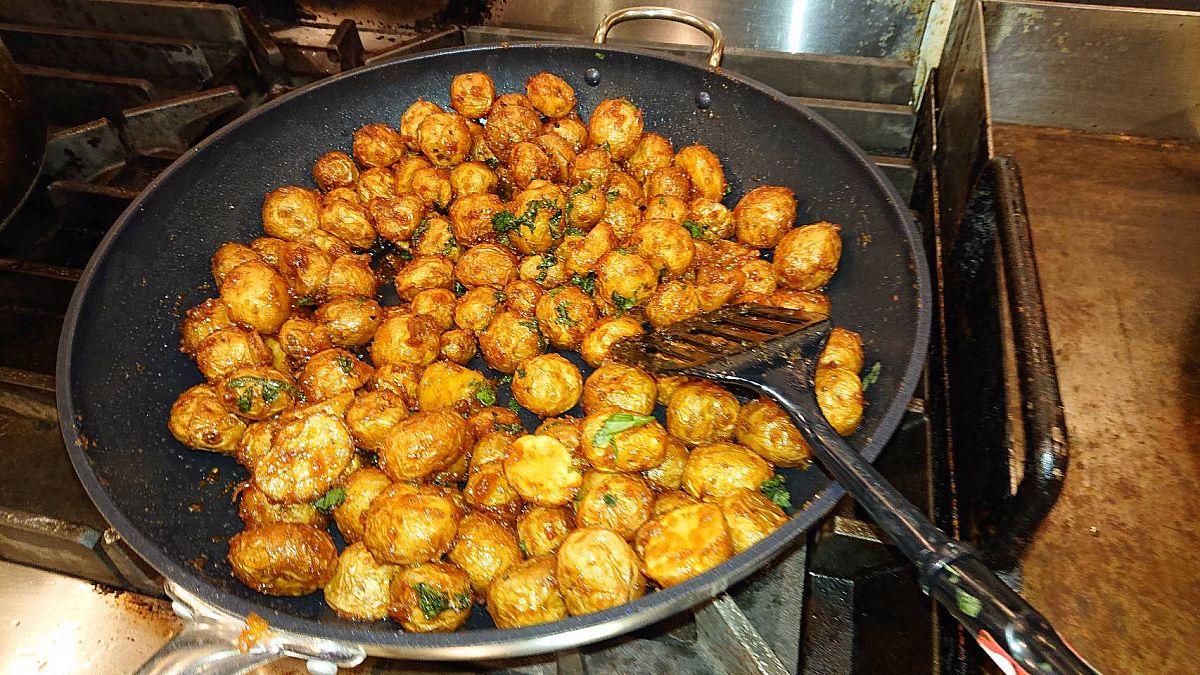
First, I would like to introduce “miso-kampura”, a dish I personally feel a strong connection to. It is one of the “soul foods” of the Nakadōri region. “Miso-kampura” is a potato-based dish, and the word “kampura” comes from the Dutch “aardappelen”, meaning “potato”, which has gradually but significantly changed in pronunciation over time.
まずは、私自身が特に好んで食べる「みそかんぷら」をご紹介します。中通りのソールフードの一つでもあります。みそかんぷらはじゃがいもの料理で、「かんぷら」はオランダ語の「aardappelen」が時代とともに発音が変わり、「じゃがいも」を意味するようになったものです。
“Miso-kampura” was originally a home-style dish made by farming families, using small potatoes that could not be shipped to market. The preparation is simple: small potatoes are boiled with their skins on, then simmered with oil and a small amount of water; miso and sugar are added, and the potatoes are cooked further until well coated. The fluffy texture of the potatoes and the sweet-and-salty flavor are simple, yet very addictive. It is enjoyed not only as a snack or side dish, but also as a filling main dish for some people. I‘ve loved potato dishes since childhood, and because potatoes are an essential everyday ingredient in my home country, “miso-kampura” naturally became one of my “soul foods” after I moved to Japan.
みそかんぷらは、もともと市場に出荷できない小芋を使った農家の家庭料理でした。作り方は簡単です。小さなじゃがいもを皮ごと茹でた後、油で少し炒めて水を加えます。そこに味噌と砂糖を加えてさらに炒めます。ほくほくとしたじゃがいもの食感と甘じょっぱい味わいは、シンプルながらくせになります。おつまみとしてはもちろん、主食にする人もおり、食べごたえがあることも魅力の一つです。私は子どもの頃からじゃがいも料理が大好きです。じゃがいもが母国で毎日食べる大切な食材のため、日本に来てからみそかんぷらがソウルフードの一つになりました。
Other examples of soul food from the Nakadōri region include “ika ninjin” (a side dish made with dried squid and carrots), as well as “enban gyōza” (fried dumplings, arranged in a disk shape) and “cream box” — a sweet bread topped with a thick layer of milky cream.
他には、いかにんじんというおつまみ、円盤餃子やクリームボックス(パンにクリームを塗ったスイーツ)なども中通りのソウルフードとして挙げられます。
Hamadōri region / 浜通り
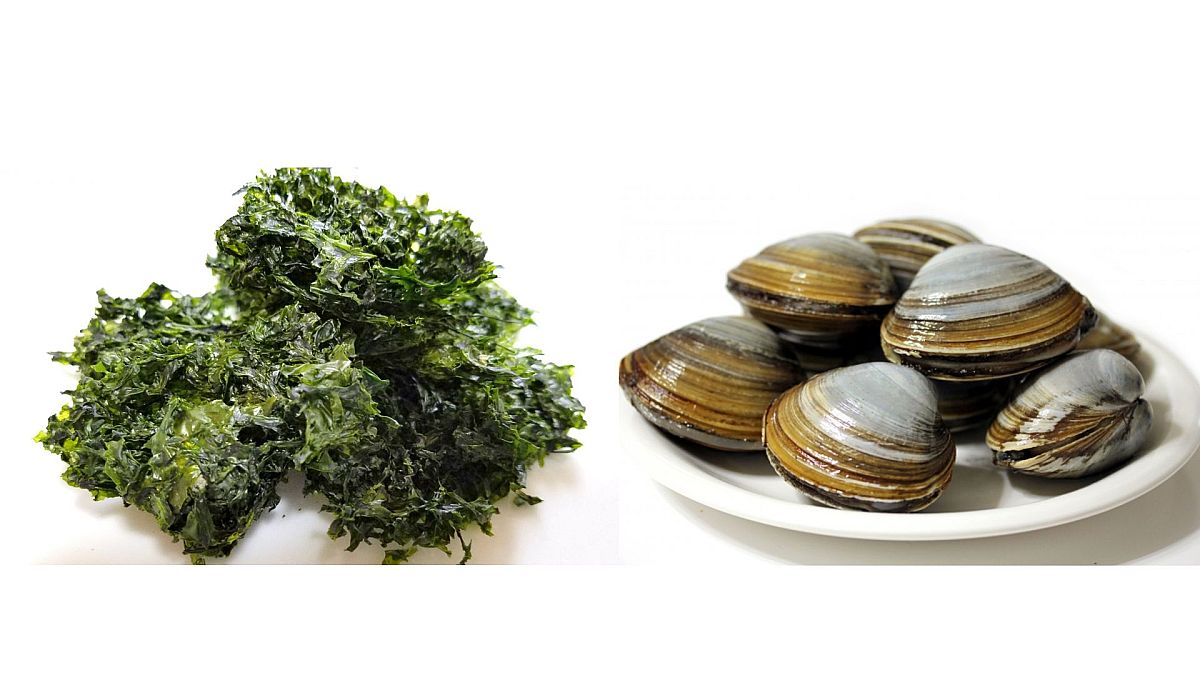
Although “hokkigai” clams and “aosa” seaweed are ingredients rather than standalone dishes, they are cooking staples in the Sōma district, and many dishes made with them are considered “soul food”. “Hokkigai” is a seasonal winter ingredient, and “hokki gohan” (rice cooked with “hokkigai”) is especially popular at this time of year. Othe preparations, such as sashimi and vinegared dishes, are also familiar and comforting flavors, appreciated for their tender texture and natural sweetness.
ホッキ貝とあおさは料理ではなく食材ですが、相馬地方ではこれらを使った料理が定番で、ソウルフードといえるものが多いです。ホッキ貝は冬が旬の食材で、季節の味としてホッキ飯がよく食べられています。ホッキ飯のほか、刺身や酢の物なども「馴染みの味」として知られており、やわらかな食感と甘みが魅力です。
“Aosa” (green laver) is a type of seaweed cultivated in Matsukawaura Bay in Sōma City. It is widely used in a variety of dishes, including miso soup, tempura, dressed salads, and as a topping for rice and noodles. Matsukawaura is one of the leading green laver-producing areas in the Tōhoku region, and “aosa” is an important local ingredient, known for its rich aroma and gentle sweetness.
あおさは相馬市の松川浦で生産されている海藻(青のり)です。味噌汁はもちろん、天ぷらや和え物、ご飯や麺のトッピングなど、幅広く使われています。松川浦は東北でも有数のあおさ養殖地で、香り豊かで、ほのかな甘味が特徴のあおさは地域の大切な食材です。
Another popular dish is “katsuo no yaki-bitashi”, a local specialty of Iwaki City. Made with fresh bonito from the nearby coast, it is considered a comforting, home-style flavor for local residents.
また、「かつおの焼き浸し」という料理も人気で、いわき市の郷土料理として知られています。海に面した地域ならではの新鮮な魚介は、地元の人々にとって欠かせないアットホームな味わいです。
Aizu region / 会津地方
When it comes to local cuisine from the Aizu region, Kitakata ramen — one of Japan’s “three major ramen styles” — is widely known across the country. Centered around Kitakata City, there are many restaurants where visitors can enjoy it, making it a must-try dish when traveling in Aizu. Deeply familiar to the region, Kitakata ramen is often referred to as a “soul food” by locals.
会津地方のご当地料理といえば、全国で知られている「日本三大ラーメン」の一つである喜多方ラーメンが有名です。喜多方市を中心に味わえる店が数多くあり、会津を旅行する際にはマストといっていいほど定番のご当地グルメです。地域では、喜多方ラーメンに親しみを込め、ソウルフードとも呼ばれています。
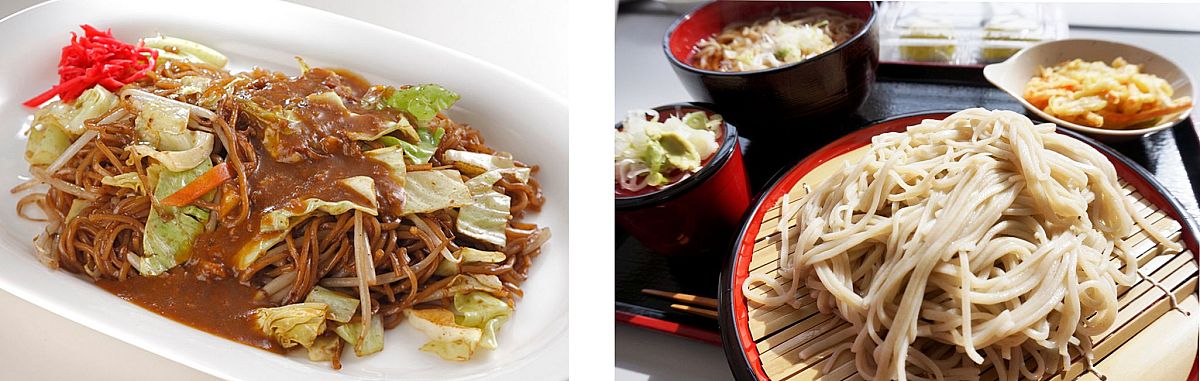
Another dish often mentioned as a “soul food” of the region is Aizu curry “yakisoba” (fried noodles). It is a hearty dish characterized by the unique combination of “yakisoba” topped with curry. In addition, “soba” (buckwheat noodles) culture has long been deeply rooted in Aizu. The region’s cool climate is well suited to buckwheat cultivation, producing “soba” with a rich aroma and flavor. Because winters in Aizu are particularly cold, a bowl of hot “soba” is especially satisfying. In Aizu, “soba” is not just a dish for visitors, but one that is commonly enjoyed in everyday life.
また、会津地方のソウルフードとしてよく挙げられるのは会津カレー焼きそばです。ボリュームがあり、焼きそばにカレーをかけた独特な組み合わせが特徴です。さらに、会津地方ではそばの文化が昔から根付いています。冷涼な気候が栽培に適しているため、風味豊かなそばができます。冬の寒さが厳しい地域なので、温かいそばが特に好まれています。会津では、そばは単なる観光名物ではなく、日常的によく食べられている料理の一つです。
In Japan, “soul food” is not defined solely by the region where one was born or by local specialties; it is also deeply connected to family traditions and personal preferences. When visiting Fukushima, you may discover a new “soul food” of your own among the many local dishes across the region, so be sure to give them a try.
ソウルフードは、生まれ育った地域と特産物だけで決まるものではなく、家庭の習慣や個人的な好みなども深く関わっています。福島を訪れる際には、各地の様々な名物料理を味わってみてください。あなたの新しいソウルフードが見つかるかもしれません。

お問い合わせは日進堂グループ各社まで
株式会社 日進堂印刷所 電話 024-594-2211(代)
トキワ印刷 株式会社 電話 0248-75-2145
株式会社 進和クリエイティブセンター 電話 024-594-2145
株式会社 エス・シー・シー 電話 024-593-0500
株式会社 Like-s 電話 024-573-8063
For inquiries in English, please contact the following email address: info@nisshindo.co.jp
※Please contact a sales representative for the estimate about translation.
※翻訳などに関してのお見積りは担当営業までお問い合わせください。
企業情報 企業情報
日進堂印刷所(印刷業)
〒 9602194 福島県福島市庄野字柿場1-1
TEL : 024-594-2211
ホームページ : https://www.nisshindo.jp/
ピックアップ記事(日進堂印刷所)
ピックアップ記事(新着)
【11/8開催】本との出会いを楽しもう「本博2026」 福島市曽根田駅が “本の世界” に
Postbox-newsR Provided by Like-s
2026.10.17(土) 12:00
幻想的なイチョウの大木!喜多方市の神社で今だけの秋の景色を見てみよう
エス・シー・シー
2026.10.17(土) 12:00
音楽・アート・マルシェが福島駅前に集結!
エス・シー・シー
2026.10.17(土) 09:00
17日の福島県は、高気圧に覆われるため、晴れるでしょう。
株式会社 ラジオ福島
2026.10.17(土) 07:23
キバラルリクビボソハムシ [ 自然さんぽ Take a walk in nature N0.
株式会社ココラム
2026.10.17(土) 07:00



![ふくしまの気になる情報を発信 newsR.jp[ニュースアール]](/img/foot_logo.svg)
© newsR.jp.